Labels

Cartoons (2) Cricket (18) Crickethematics (5) English (12) Funny (10) Geeky (1) Girl Friends (4) Linux (1) Love (4) Music (1) Nalin de Silva (1) Nerdy (9) Politics (4) Relationships (4) Sinhala (10) Sri Lanka (4) Tech (1)

Thursday, December 27, 2012

Future of Sri Lanka's Test Cricket


I'm writing this just few hours before the day 3 of Boxing Test. Sri Lanka have bundled out for 156 and currently Australia are leading 284 runs. By looking at this, most probably the result will be an appaling one for Sri Lanka and match might end on day 3 itself. Sri Lanka's hope for a Test win in Australia is fading day by day. This is Sri Lanka's first ever boxing day test in Australia after 1995. Even Sri Lanka's most senior players Sangakkara and Mahela Jayawardene have complained that they have never got an opportunity  to play a Test match at MCG in their 12-15 years long careers. But if this is Sri Lanka going to perform when they got the opportunity, can they expect another chance before another 17 years ? Mind you, some people considering this batting line up as Sri Lanka's 'golden generation'. However still there is some hope for a test win at SCG.

What is Sri Lanka's future from here ? Mahela has stepped down from captaincy and most probably Angelo Mathews will be the new captain. Also we have to consider that Sri Lanka have an aging batting order. Dilshan, Samaraweera, Mahela and Sangakkara all 4 in their 35-36. It is inevitable that Sri Lanka have to groom few youngsters for a smooth transition. But at the same time you can't lose your best players. As I have heard, Dilshan and Samaraweera are already talking about their retirements plans.

Let's see a statistical analysis of which 2 should be the ones to sacrifice for the future. Below table shows overall stats of Sri Lankan batsmen in last 2 years. According to this, past 2 years has been a hard time for Sri Lankans. Only Sangakkara and Mathews have respectable averages. Samaraweera and Dilshan having 'OK' averages. Mahela Jayawardene is averaging about 30, which is unacceptable for a player of his calibre.


This 2nd table shows performances of Sri Lankan batsmen away from home in last 2 years. Thilan Samaraweera who averages over 50 has been Sri Lanka's best batsman away from home in recent years. Then there is Sangakkara who averages almost 48. Surprisingly Prasanna Jayawardene has been Sri Lanka's 3rd best batsman in abroad in past 2 years. He averages 46.77. Dilshan averages 39. And more surprisingly Mahela Jayawardene is averaging rubbishy 17.66, he couldn't score even a single 50 in those 21 innings. Even Rangana Herath has averaged more than he.


Third table shows their records in last 2 years outside Asia. Nothing different in Samaraweera's record. He has been the best batsman. And then Dilshan with a 47+ average. Sangakkara has struggled a bit. Then once again there is Mahela Jayawardene with a pathetic record.


By looking at all these statistics, Mahela Jayawardene has been the under performing batsman in recent years. Why does his away record is so miserable in recent past ? Is it a temporary loss of form ? Let's find it out.

Below table shows all the Sri Lankan players record away from home throughout their careers. Clearly you can see who are the best Sri Lankan players. To be categorized as 'great' , a batsman should be able to perform in most conditions. Sangakkara averages 49.66, if you compare it with other world class players, even Brian Lara (47.80) , Inzamam-ul-Haq (46.98) , Ricky Ponting (46.40) , Javed Miandad (45.80) are also behind him. Samaraweera also have a very good average of 45.60. But where is Mahela Jayawardene ? He is there with a very average average. If you compare Mahela's record with players from other counties (who played at least 19 away matches), he is the 126th player in the list. And he is there with very average Test batsmen like Shaun Pollock (36.45), MS Dhoni (33.48) and Scott Styris (33.22).


This final table shows all the Sri Lanka players record outside Asia (excluding Zimbabwe). An Asian Test cricketer's real challenge is performing outside Asia. As we can see in the table, many batsmen have decreased their averages. Once again Sangakkara is proving why he is the best batsman from Sri Lanka. And again ! Samaraweera and Dilshan are above Mahela Jayawardene.


After looking at table 1, 2 and 3 you may think that Mahela Jayawardene's recnt poor record away from home is due to a loss of form. But table 4 & 5 proves he had that problem throughout his 15 years career. SERIOUSLY ! A pathetic Away record for 15 years of his Test career. It's just getting worse with his age.

It is no doubt that Mahela Jayawardene is an elegant and utterly classy batsman and it is treat to watch him batting. Also without a doubt he is the most talented player Sri Lanka has produced in recent decades. But sadly elegance or talent doesn't make runs itself. He has to apply that to make runs, especially outside home conditions.

But at the moment Sri Lankan cricket is in a crucial junction and have to make some tough calls for the future. Few youngsters have to bring in at the expense of 2 seniors. By looking at statistics, those two seniors should be TM Dilshan and Mahela Jayawardene. I know now many of you must be mad at me. But statistics don't lie. Samaraweera has been a better Test players than Mahela. And definitely he is not the one to retire at this stage. Now don't show up Mahela's ODI or T20 statistics to justify his place in the Test team. I'm just talking about Test cricket. I never mentioned Mahela should retire from ODIs or T20Is.

With scraping West Indies and South Africa Test matches, most probably Sri Lanka will play only with Bangladesh and Zimbabwe in the year 2013. In these matches Sri Lanka should include more youngsters in the Test team other than providing opportunity for under performing stars to boost their averages.

Sunday, December 16, 2012

Crickethematics | Kallis/Sachin = 2


When is India's next tour of Sri Lanka


Rise of the Silent Assassin


Rangana Herath is now sharing the 2nd position of ICC Test bowling rankings with Vernon Philander, both of them are there with 838 points. Only Dale Steyn is ahead of them with 880 point. According to this rankings Herath is the highest ranked spinner in the world at the moment. This is probably the greatest highlight of his career. His number of points, 838 is his career best. Many would argue as Saeed Ajmal or Graeme Swann is the current best spinner in the world. Herath doesn't have many variations or anything special other than tight lines and lengths. But he is effective. He had to fill the vacuum left by Murali. Probably he will not be able to fill it completely. But Herath has been doing it really well until now.

Sri Lanka's home test series against Pakiatan in 2009 has been the turning point of Rangana Herath's career. He wasn't there in the original squad or in selectors minds. He was light years away from playing for Sri Lanka again. He was able to pick just 1 wicket by giving away 115 runs against Bangladesh in his last match, in 2008. His career figures was standing as

14-Matches 36-Wickets 39.38- Average 7/132 - Best Bowling (against Pakistan)

Not impressive at all. Reason for these figures partly because of Murali's dominance and partly Herath not getting opportunities consistently. This has been the fate of most of the Sri Lankan spinners during Murali's era.

Destiny is a funny thing and some things are meant to be. Just a day before the start of 1st test at Galle, Murali got injured. 22 years old Suraj Randiv who was yet to make his debut, was the 3rd spinner in the squad (Ajantha Mendis was there). (Add to that Prasanna Jayawardene also was injured and Kaushal Silva was the extra wicket keeper in the squad). Angelo Mathews was certain to make his test debut in this match. By looking at the injured list and the squad, it was looking like Sri Lanka will play 3 debutants in the 1st test. But Kumar Sangakkara who was Sri Lankan captain did not want to take a risk with too many debutants. He wanted Herath in the squad as soon as possible, probably because of Pakistan's weakness against slow left arm spin and Herath's ability to open the innings ? (Herath opened the 2nd innings as nightwatchman with Warnapura). Herath was playing in the Staffordshire League in England when he was summoned. He landed Sri Lanka just few hours before the start of the match. Luckily for Herath, Pakistan chose to field 1st. (Even though this is irrelevant, to complete the story :- Sri Lanka decided to go with Dilshan as the wicket keeper and Saeed Ajmal made his test debut for Pakistan).

It took 47 overs to bowl Herath in the 1st innings, mainly to give him more time to recover from jet lag. He took 1 for 52 in 16 overs. But his career turning bowling spell happened in the 2nd innings. At the end of day 3, Pakistan were 71/2 chasing 168. Chances were looking bleak for Sri Lanka. But Herath turned the match on its head. Herath managed to remove both overnight batsmen in his 1st over of the day. Pakistan collapsed from 71/2 to 117 allout. Herath's figures were 4/15 in 11.3 overs. This was the time Herath shown that he belongs to test cricket. Herath played all 3 test matches and managed to pick 15 wickets at 26.93, also the 2nd highest wicket taker in the series.

Since then, he never looked back. From July 2009, he has picked 138 wickets at 27.14 in 28 matches. Since Herath made his came back in July 2009, among the bowlers who have managed to take more than 50 wickets, this is where he stands.


However Herath is among the highest wicket takers in the year 2012 so far. It is a close run between Swann and Herath.


Swann has 56 wickets from 13 matches (23 innings) and Herath 55 wickets from 8 matches (15 innings). You can say Herath has played most of his matches on Asian spin friendly pitches. But except 5 matches in England, Swann also has played 8 matches in Asia. If we consider the average, Saeed Ajmal has the best average of 20.56 in 6 matches (12 innings) and Herath is 2nd best with 20.94. Got to mention that Ajmal played all his 6 matches in Asian pitches and Herath's 8 matches includes the new year test at Cape Town. However these statistics will change since Swann has the Nagpur test and Herath has 2 tests in Australia.

This is Herath's performances in Sri Lanka's last 3 series.


It is safe to say that Herath has able to out played all opposition bowlers including Swann and Ajmal in these series. Herath might not be able to fill Murali's shoes completely. But He is doing pretty well at this stage of post Murali era in Sri Lankan cricket.

Why Samaraweera not getting the respect he deserves


If you ask from most of the cricket fans who is the best batsman in Sri Lanka, most of them would say either Kumar Sangakkara or Mahela Jayawardene. But there is a man who is always there to rescue Sri Lanka when they are in a trouble. Who doesn't speak much, but very determined player. Who started his career as on off spinner, but he transformed himself into a high quality test batsman after realizing he will not be able to make into the playing XI until the Legend Murali is there. Even a bullet traveled 12 inches into his thigh could not stop this man. He is Thilan Samaraweera. Many people criticize him as a heavy runs scorer in batting friendly subcontinent conditions.

Let's have a look at highest overall averages by Sri Lankan test batsman who has played more than 20 test matches.


Definition of a great batsman could be subjective. But generally what we expect from a great player is ability to perform in all conditions against quality bowling. Let's see Sri Lankan batsmen with top averages out side subcontinent against top test playing nations [which means excluding Zimbabwe and Bangladesh]. Minimum qualification is players who have played at least 10 Test matches in Australia, England, New Zealand, South Africa and West Indies.


You can see most of the batsmen having difference of about 10 runs between overall average and this average. Surprisingly Asanka Gurusinha has a better average outside subcontinent than in subcontinent. After that, Samaraweera has the best average. Sangakkara is just behind him. Marvan Atapattu averaged 35.68 which is a decent figure for a test opener. T.M. Dilshan averages 34.21 , but 11 out of 16 matches he has played as a middle order batsman. In other 5 matches as an opener, he averages 44.33 outside subcontinent. Mahela Jayawardene average miserable 32.53 outside subcontinent.

Even outside the subcontinent there could be high scoring runs fiestas. So let's see their record excluding drawn matches. This might be bit harsh considering an interesting draws like Adelaide test [Australia vs South Africa] in couple of weeks ago also get exclude with this. Match saving innings like Faf du Plessis's will not get any credit, but this is the only way to exclude draws on high ways. So no need to consider this stat much seriously. But still this does mean something.


In that sense Samaraweera has the best average from Sri Lanka. Sangakkara just behind him. Others ? I don't know what to say. You decide.


Samaraweera started his career as a spinner. People said he is a flat track bully after he improved his batting. He had a point to prove in Sri Lanka's tour of South Africa in last year. Surprising many, he became Sri Lanka's best batsman in that tour. Thanks to centuries from Samaraweera and Sangakkara at Durban, Sri Lanka managed to record their first ever Test win in South Africa. He tried his best at Cape Town to save the 3rd test but just managed to carry his bat with a century in the 2nd innings. These statistics prove that Samaraweera is Sri Lanka's one of the best batsmen in away conditions and probably the best in handling swing and seam movement. As above table suggests, Samaraweera has another [and some other Sri Lankan batsmen who has more gifted talent than Samaraweera, have a] point to prove in upcoming Sri Lanka's tour of Australia.


Samaraweera may not be the most gifted batsman Sri Lanka ever produced. But certainly he is one of the grittiest players ever to play the game.

Saturday, December 8, 2012

How I met Nancy Ajram


It's 12.32 am Sri Lanka standard time. About half an hour ago probably I didn't know a person as Nancy Ajram does exist. According to wikipedia she is an Arabic pop singer. So what is so special about this ? I don't know. I felt that this story worth a blog post.


Since few days I'm in a musical relationship with Sri Lankan female singer Shasika Nisansala. It is not that I got to know her recently. But I started to listen to her song carefully recently. First a Sinhala romantic song of Kasun Kalhara & Prathiba Prabha was stuck in my mind few days ago. Many of us have kinda 'song of the day' , right ? That lyrics comes to your mind every time & song is playing in your mind. This is something similar to that. Kasun's & Prathiba's song was in mind for more than a day. I liked that feeling. Then I tried to remember few other songs like that. Shasika Nisansala's Aakasaye Dura Gimhana Eure song came to my mind straight away. May be because of Kasun Kalhara's music and Shasika's voice.

I liked that song as well. I did listen to that song a whole day. I wanted more songs like this. I found Shasika's Gimhana Kale song as well. Then another one, Ma Ahase Liyu De , which is my favorite song at the moment (Kasun is the music director of latter). I could find an official video for Gimhana Kale, so tried to find an Shasika appearing official video for Gimhana Kale as well and there wasn't. But I noticed this video.


I liked the visuals and the pretty girl ;-) I wanted to watch the original video or the movie. But no mention about the video source. How could I find it ?

First thing I did was getting few screen shots & googling using the google image search. But that wasn't successful. Then I analysed the video. Obvious thing anybody can notice is people in the visuals are Asians. So I guessed it could be from an Indian movie or a Pakistani / Arabian movie. Then I noticed a person wearing a turban at 2:19 , he is more like a employer. In my experience, lot of non-Indian films do use this trick to indicate an Indian. So I assumed that this can not be an Indian movie. Also can't think about having an Indian employer characters in a Pakistani movie. So I left with only option of Arabian movies.

By gestures at 1:54 you can imagine the boy is deaf and mute. Now I know 2 things.


  1. It is an Arabian movie.
  2. The girl loves a deaf and mute guy.

I googled for Arabian movies. But that was fruitless.

Then I went back to most obvious observation. The girl is beautiful, isn't it ? So googled 'Arabian Actress' and got results saying 50 Beautiful Arab Girls, Beautiful Arabic Actress Photos kinda things. This link worked for me. I carefully looked every girl and found the girl in the video at 6 in the list. Now I know her name - Nancy Ajram. Then I googled and found that she is a singer. So that visuals could be from one of her music videos. I searched on Youtube and found this.


This is How I met Nancy Ajram. How is my investigation ? :-D

Wednesday, August 22, 2012

āļ´ිāļģි⎄ෙāļą āļ´්‍āļģේāļš්⎂āļšāļēා ⎄ා āļ´ොāļŊි⎃් āļ´āļšāļēāļą්


āļš්‍āļģිāļšāļ§් āļš්‍āļģීāļŠාංāļœāļąāˇ€āļŊāļ§ āļģāļ§ේ āļąීāļ­ිāļē āļ…āļ¯ා⎅ āļąො⎀ේāļ¯?

āļš්‍āļģිāļšāļ§් āļēāļąු āļ…āļ´ේ āļąිāļŊ āļąොāļŊāļ­් āļĸාāļ­ිāļš āļš්‍āļģීāļŠා⎀āļēි. ⎀āļē⎃් āļˇේāļ¯āļēāļšිāļą් āļ­ොāļģ⎀, āļļාāļŊ-⎀ැāļŠි⎄ිāļ§ි-āļ¸āˇ„⎅ු āļ…āļ­ි āļļ⎄ුāļ­āļģāļēāļš් ⎁්‍āļģී āļŊාංāļšිāļšāļēāļą් āļ­āļ¸ āļĸී⎀āļąාāļŊිāļēේ āļšොāļ§āˇƒāļš් āļŊෙ⎃ āļš්‍āļģිāļšāļ§් āļš්‍āļģීāļŠා⎀āļ§ āļ‡āļŊුāļ¸් āļšāļģāļēි. āļ¸ේ ⎃ිāļēāļŊු ⎀āļē⎃් āļšාāļĢ්āļŠ āˇ€āļŊ āļ´ුāļ¯්āļœāļŊāļēāļą්āļ§ āļ­āļ¸āļą් āļšැāļ¸āļ­ි āļš්‍āļģීāļŠා⎀ āļš්‍āļģීāļŠාංāļœāļą āˇ€āļŊāļ§ āļœො⎃් ⎃ු⎀āļ´āˇ„āˇƒු⎀ āļąැāļģāļšීāļ¸ේ āļ…āļēිāļ­ිāļēāļš් āļ‡āļ­. āļ‘āļēāļ§ āļēāļ¸් āļļාāļ°ා⎀āļš් ⎀ේāļąāļ¸්, āļ‘āļēāļ§ āļ´ි⎅ිāļēāļ¸් āļēෙāļ¯ීāļ¸ āļļ⎅āļ°ාāļģීāļą් ⎃āļ­ු ⎀āļœāļšීāļ¸āļšි.

āļ´āˇ„āļ­ිāļą් āļ¯ැāļš්⎀ෙāļą්āļąේ āļ¸ේ ⎀āļąāˇ€ිāļ§ āļ´ැ⎀ැāļ­්⎀ෙāļą SLPL āļ­āļģāļŸා⎀āļŊිāļēේ āļ´්‍āļģ⎀ේ⎁ āļ´āļ­්‍āļģāļēāļš āļ´ිāļ§ුāļ´āˇƒ āļšොāļ§āˇƒāļš්. āļ”āļļāļ§ āļ¯ැāļšāļœāļ­ āˇ„ැāļšිāļēි āļ¸ෙ⎄ි āļ‰ංāļœ්‍āļģී⎃ිāļēෙāļą් 'No Smoking' āļēāļąු⎀ෙāļą්, āļš්‍āļģීāļŠාංāļœāļąāļē āļ­ු⎅ āļ¯ුāļ¸්āļļීāļ¸ āļ­āˇ„āļąāļ¸් āļļ⎀ āļ¯āļš්⎀ා āļ­ිāļļෙāļąāˇ€ා. āļ¸ෙāļēāļ§ āļ…āļ¸āļ­āļģ⎀ ⎁්‍āļģී āļŊංāļšා⎀ේ āļąීāļ­ිāļē āļ…āļąු⎀ āļ´්‍āļģ⎃ිāļ¯්āļ° āˇƒ්āļŽාāļąāˇ€āļŊ āļ¯ුāļ¸්āļļීāļ¸ āļ­āˇ„āļąāļ¸්āļē. āļąāļ¸ුāļ­් āļ¸ෙāļ¸ āļąීāļ­ිāļē āļš්‍āļģිāļēාāļ­්āļ¸āļš āˇ€āļą āļļ⎀āļš් āļ…āļ´āļ§ āļąොāļ´ෙāļąේ. āļ´āˇƒුāļœිāļēāļ¯ා āļ¸āˇ„āļąු⎀āļģ āļ´āļŊ්āļŊෙāļšැ⎅ේ ⎄ිāļ¯ී āļ´ැ⎀āļ­ි āļ­āļģāļŸ āˇ€āļŊāļ¯ී āļ…⎀ුāļģුāļ¯ු 21āļ§ āļ…āļŠු āļœැāļ§āļēāļą් āļ´āˇ€ා āļ¯ුāļ¸්⎀ැāļ§ිāļēāļš් āļšāļ§ේ āļœāˇƒාāļœෙāļą āļ¯ුāļ¸්āļ´ිāļ§āļšāļģāļ¸ිāļą්, āļ´ොāļŊි⎃් āļąිāļŊāļ°ාāļģීāļą් āļ‰āļ¯ිāļģිāļ´ිāļ§āļ¸ āˇƒිāļ§ිāļēේāļē. ⎁්‍āļģී āļŊංāļšා⎀ේ āļąීāļ­ිāļē āļš්‍āļģිāļšāļ§් āļš්‍āļģීāļŠාංāļœāļą āļ­ු⎅āļ§ āˇ€āˇ…ංāļœු āļąො⎀ේāļ¯ ? āļąැāļ­āˇ„ොāļ­් āļš්‍āļģීāļŠාංāļœāļą āļ´්‍āļģ⎃ිāļ¯්āļ° āˇƒ්āļŽාāļąāļŊෙ⎃ ⎀āļ§āˇ„ා āļąොāļœැāļąීāļ¸āļ§ āļ­āļģāļ¸් āļąිāļŊāļ°ාāļģීāļą් āļ¸ුāļœ්āļ°āļ¯ ?

āļ¸ේ āļ´ි⎅ිāļļāļŗāˇ€ āļ´ොāļŊි⎃් āļąිāļŊāļ°ාāļģීāļą්āļœෙāļą් ⎀ිāļ¸āˇƒීāļ¸ේāļ¯ී āļ”⎀ුāļą් āļ­āļ¸ාāļœේ āļ‡āˇƒ් āļ‰āļ¯ිāļģිāļ´ිāļ§ āˇƒිāļ§ිāļą āˇƒිāļœැāļģැāļ§් āļ‹āļģāļą්āļąāļą් āļ´ෙāļą්⎀āļą āļŊෙ⎃ āļ…āļ´ෙāļą් āļ‰āļŊ්āļŊා ⎃ිāļ§ී. āļ‘āļš් āļ‹āˇƒāˇƒ් āļąිāļŊāļ°ාāļģිāļēෙāļš් āļ…āļ´āļ§ āļšී⎀ේ, "āļ…āļ¯ āļąීāļ­ිāļēāļš් āļšො⎄ෙāļ¯ āļ­ිāļēෙāļą්āļąෙ. āļ…āļąිāļš āļ¸ේ⎀ා āļ…āļ´ිāļ§ āļšāļģāļą්āļą āļ´ු⎅ු⎀āļą් āļ¯ේ⎀āļŊ් āļąෙāļ¸ෙāļēි. āļ…āļ´ිāļ§ āļ‹āļŠිāļą් āļąිāļēෝāļœ āļ¯ීāļŊ āļąෑ āļ¸ේ⎀ āļšāļģāļą්āļą āļšිāļēāļŊ." āļēāļąු⎀ෙāļąුāļēි. āļ¸ේ āļģāļ§ේ āļąීāļ­ිāļē āļš්‍āļģිāļēාāļ­්āļ¸āļš āļšිāļģීāļ¸āļ§ āˇƒිāļ§ිāļą āļąිāļŊāļ°ාāļģීāļą්āļœේ āļ…āļ¯āˇ„āˇƒāļēි. āļģāļ§ේ āļąීāļ­ිāļēāļš් āļąොāļ¸ැāļ­ි āļąāļ¸්, āļ‘āļēāļ§ āˇ€āļœāļšි⎀āļēුāļ­ු ⎀āļą්āļąේ āļ¸ෙ⎀ැāļąි āļ…āļ´ෘ⎂්āļ¨āˇ€ං⎁ී [āļšāˇේāļģුāļšා⎀āļš් āļąොāļ¸ැāļ­ි] āļąිāļŊāļ°ාāļģීāļą්āļ¸ āļąො⎀ේāļ¯ ? āļ…āļąෙāļš් āļ…āļ­āļ§ āļ¸ේ āļąීāļ­ිāļē āļš්‍āļģිāļēාāļ­්āļ¸āļš āļšāˇ…āļēුāļ­ුāļēි, āļ¸ෙāļē āļš්‍āļģිāļēාāļ­්āļ¸āļš āļąොāļšāˇ… āļēුāļ­ුāļēි āļēāļąු⎀ෙāļą් āļ‡āļŸිāļŊ්āļŊෙāļą් āļ‡āļą āļ‡āļą āļ‘āļš් āļ‘āļš් āļąීāļ­ිāļē ⎁්‍āļģී āļŊංāļšා āļ´ොāļŊි⎃ිāļēāļ§ āļ´ෙāļą්⎀ිāļē āļēුāļ­ුāļļ⎀āļ¯ āļ¸ේ āļąිāļŊāļ°ාāļģිāļēා āļ´āˇ€āˇƒāļą්āļąේ ? āļ¸ෙ⎄ිāļ¯ී āļ­āˇ€āļ­් āļąිāļŊāļ°ාāļģිāļēෙāļą් āļš්‍āļģීāļŠාංāļœāļą āļ­ු⎅ āļ¯ුāļ¸්āļļීāļ¸āļ§ āļ‰āļŠ āļŊāļļාāļ¯ීāļ¸ āˇ€āļģāļ¯āļš් āļļ⎀ āļ´ි⎅ිāļœැāļąීāļ¸āļ§ āļ­āļģāļ¸් āļąි⎄āļ­āļ¸ාāļąී ⎀ූ āļļ⎀ āļ´ැāˇ€āˇƒීāļ¸āļ¯ āļ…āļ´āļœේ āļēුāļ­ුāļšāļ¸āļšි.

2006 āļ…ංāļš 27 āļ¯āļģāļą āļ¯ුāļ¸්āļšො⎅ ⎄ා āļ¸āļ¯්‍āļē⎃ාāļģ āļ´ි⎅ිāļļāļŗ āļĸාāļ­ිāļš āļ…āļ°ිāļšාāļģිāļē āļ´āļąāļ­ේ 39 ⎀āļœāļą්āļ­ිāļē āļ´āˇ„āļ­ āļ…āļēුāļģිāļą්⎀ේ.

39 āļēāļ¸් āļšොāļ§ුāļšāļģāļą āļŊāļ¯ āļ´ොāļ¯ු ⎃්āļŽාāļąāļēāļš් āļ‡āļ­ු⎅āļ­ āļšි⎃ිāļ¸ āļ­ැāļąැāļ­්āļ­ෙāļšු ⎀ි⎃ිāļą් āļēāļ¸් āļ¯ුāļ¸්āļšො⎅ āļąි⎂්āļ´ාāļ¯āļą āļ´ාāļąāļē āļšිāļģීāļ¸ āˇ„ෝ āļēāļ¸් āļ­ැāļąැāļ­්āļ­ෙāļšුāļ§ āļ‘āˇƒේ āļšිāļģීāļ¸āļ§ āļ‰āļŠāļ¯ීāļ¸ āļąොāļšāˇ… āļēුāļ­ුāļē.

(2) āļēāļ¸් āļšොāļ§ුāļšāļģāļą āļŊāļ¯ āļ´ොāļ¯ු ⎃්āļŽාāļąāļēāļš, āļ…āļēිāļ­ිāļšāļģු⎀āļšු, āļ´āļ¯ිංāļ ිāļšāļģු⎀āļšු, ⎄ිāļ¸ිāļšāļģු⎀āļšු, āļšāˇ…āļ¸āļąාāļšāļģු⎀āļšු, āļˇාāļģāļšāļģු⎀āļšු ⎄ෝ āļ‘āļ¸ āˇƒ්āļŽාāļąāļē āļˇාāļģ⎀ ⎃ිāļ§ිāļą āļēāļ¸් āļ­ැāļąāļ­්āļ­ෙāļšු ⎀ි⎃ිāļą් āļ’ āļšොāļ§ුāļšāļģāļą āļŊāļ¯ āˇƒ්āļŽාāļąāļē āļ‡āļ­ු⎅āļ­ āļ¯ුāļ¸් āļąි⎂්āļ´ාāļ¯āļą āļšි⎃ි⎀āļš් āļˇා⎀ිāļ­ා āļšāļģāļ¸ිāļą් āļ¯ුāļ¸් āļ´ාāļąāļē āļąොāļšāļģāļą āļļ⎀āļ§ āˇƒāˇ„āļ­ිāļš āˇ€ිāļē āļēුāļ­ුāļē.

āļ‘āˇƒේ ⎀ු⎀āļ¯, (1) ⎀āļą āļ‹āļ´ āˇ€āļœāļą්āļ­ිāļēෙ ⎀ිāļ°ි⎀ිāļ°ාāļą āˇ€āļŊ āļšුāļ¸āļš් ⎃āļŗāˇ„āļą් ⎀ු⎀āļ¯, -

(āļ… ) āļšාāļ¸āļģ āļ­ි⎄āļš් ⎄ෝ āļŠāļ§ āˇ€ැāļŠි āļ´්‍āļģāļ¸ාāļĢāļēāļš් āļ‡āļ­ි ⎄ෝāļ§āļŊāļēāļš, āļ†āļœāļą්āļ­ුāļš āļąි⎀ා⎃āļēāļš āˇ„ෝ āļ­ා⎀āļšාāļŊිāļš āļąāˇ€ාāļ­ැāļą්āļ´ො⎅āļš (āļŊොāļĸ්);

(āļ†) āļ…⎀āļ¸ āˇ€āˇāļēෙāļą් āļ´ුāļ¯්āļœāļŊāļēāļą් āļ­ි⎄āļšāļ§ āˇ€ාāļŠි⎀ී ⎃ිāļ§ීāļ¸āļ§ āļ‰āļŠāļšāļŠ āļ‡āļ­ි āļēāļ¸් āļ†āļ´āļą āˇාāļŊා⎀āļš āˇ„ෝ ⎃āļ¸ාāļĸ ⎁ාāļŊා⎀āļš; ⎄ෝ

(āļ‡ ) āļēāļ¸් āļœු⎀āļą් āļ­ොāļ§ුāļ´āˇ…āļš,

āļ¯ුāļ¸් āļ´ාāļąāļē ⎃āļŗāˇ„ා āļ…āļąāļą්‍āļē āļŊෙ⎃ ⎀ෙāļą් āļšāļģāļą āļŊāļ¯ āļ…āˇ€āˇƒ්āļŽා⎀ෝāļ ිāļ­ āļ´āļģිāļ¯ි āļšොāļ§ුāļšāļģāļą āļŊāļ¯ āˇƒ්āļŽාāļąāļēāļš් ⎄ෝ āļ´්‍āļģāļ¯ේ⎁āļēāļš් āļ‘āļ¸ āļ´්‍āļģි⎁්‍āļģāļē āļ­ු⎅ āļ­ුāļļිāļē ⎄ැāļšිāļē. āļ‘āļ¸ āļ´්‍āļģāļ¯ේ⎁āļēāļ§ āļ´්‍āļģāļ¸ාāļĢ⎀āļ­් ⎀ාāļ­ා⎁්‍āļģāļē āļŊāļļා āļ¯ිāļē āļēුāļ­ු āļ…āļ­āļģ, āļ‘āļē āļąිāļēāļ¸ිāļ­ āˇ€ාāļ­āļēෙ⎄ි āļ­āļ­්⎀āļē āļ´ි⎅ිāļļāļŗ āļ´්‍āļģāļ¸ිāļ­ි ⎀āļŊāļ§ āļ…āļąුāļšූāļŊ ⎀ිāļē āļēුāļ­ුāļē.

(3) āļ…āļ¸ාāļ­්‍āļē⎀āļģāļēා ⎀ි⎃ිāļą් ⎃ෞāļ›්‍āļē ⎃ේ⎀ා āļ…āļ°්‍āļēāļš්⎂ āļĸāļąāļģාāļŊ්⎀āļģāļēා ⎀ිāļ¸āˇƒා āļ¸ෙāļ¸ āˇ€āļœāļą්āļ­ිāļēේ ⎀ිāļ°ිāļ°ාāļą āļļāļŊාāļ­්āļ¸āļš āļšිāļģීāļ¸ āˇƒāˇ„ āļąිāļēාāļ¸āļąāļē āļšිāļģීāļ¸ āˇƒāļŗāˇ„ා āļ…⎀⎁්‍āļē⎀ිāļē ⎄ැāļšි ⎀ෙāļąāļ­් āļēāļ¸් āļŊිāļ›ිāļ­ āļąීāļ­ිāļēāļšāļ§ āļ…āļąāļąුāļšූāļŊ āļąො⎀āļą āˇƒාāļ¸ාāļą්‍āļē ⎄ෝ ⎀ි⎁ේ⎂ ⎀ිāļ°ාāļą āļąිāļšුāļ­් āļšāļģāļąු āļŊැāļļිāļē ⎄ැāļšි āļē.

(4) (1) ⎀āļą āˇƒāˇ„ (2) ⎀āļą āļ‹āļ´ āˇ€āļœāļą්āļ­ි⎀āļŊ ⎀ිāļ°ි⎀්āļ°ාāļą āļ‹āļŊ්āļŊංāļœāļąāļē āļšāļģāļą āļēāļ¸් āļ­ැāļąැāļ­්āļ­ෙāļš් āļ¸ේ āļ´āļąāļ­ āļēāļ§āļ­ේ ⎀āļģāļ¯āļšāļ§ āˇ€ැāļģāļ¯ිāļšāļģු ⎀āļą āļ…āļ­āļģ, āļ¸āˇ„ෙ⎃්āļ­්‍āļģාāļ­්⎀āļģāļēෙāļšු āļ‰āļ¯ිāļģිāļ´ිāļ§ āļ´āˇ€āļ­්⎀āļąු āļŊāļļāļą āļŊāļු āļąāļŠු ⎀ිāļˇාāļœāļēāļšිāļą් āļ´āˇƒු⎀ ⎀āļģāļ¯āļšāļģු āļšිāļģීāļ¸ේāļ¯ී āļģුāļ´ිāļēāļŊ් āļ¯ෙāļ¯āˇ„āˇƒāļšāļ§ āˇ€ැāļŠි āļąො⎀āļą āļ¯āļŠāļēāļšāļ§ āˇ„ෝ āļ…⎀ුāļģුāļ¯ු āļ‘āļšāļšāļ§ āˇ€ැāļŠි āļąො⎀āļą āļšාāļŊāļēāļš් ⎃āļŗāˇ„ා āļļāļą්āļ°āļąාāļœාāļģ āļœāļ­ āļšිāļģීāļ¸āļšāļ§ āˇ„ෝ āļ’ āļ¯āļŠāļē ⎄ා āļļāļą්āļ°āļąාāļœාāļģāļœāļ­ āļšිāļģීāļ¸ āļēāļą āļ¯ෙāļšāļ§āļ¸ āļ”⎄ු āļēāļ§āļ­් ⎀ිāļē āļēුāļ­ුāļē.

(5) āļ¸ේ ⎀āļœāļą්āļ­ිāļēේ āļšාāļģ්āļē ⎃āļŗāˇ„ා āļ´ොāļ¯ු ⎃්āļŽාāļąāļēāļš් āļēāļą්āļąෙāļą් āļ¸āˇ„āļĸāļąāļēාāļ§ āļ…āļēිāļ­ිāļēāļš් ⎀⎁āļēෙāļą් ⎄ෝ āļ…āļą්‍āļēාāļšාāļģāļēāļšāļ§ āļ´්‍āļģ⎀ේ⎁ ⎀ිāļē ⎄ැāļšි ⎀ූ āļ¯ āļēāļ¸් ⎃්āļŽාāļąāļēāļš් āļ…āļ¯āˇ„āˇƒ් ⎀ේ.

"āļšොāļ§ු āļšāļģāļą āļŊāļ¯ āļ´ොāļ¯ු ⎃්āļŽාāļąāļēāļš්" āļēāļą්āļąāļ§ āļģāļĸāļēේ āļ¯ෙāļ´ාāļģ්āļ­āļ¸ේāļą්āļ­ු⎀āļš්, ⎀්‍āļēāˇ€āˇƒ්āļŽාāļ´ිāļ­ āļ…āļ°ිāļšාāļģිāļēāļš් ⎄ෝ āļ¸āļĢ්āļŠāļŊāļēāļš් ⎄ෝ āļģāļĸāļēේ āļ†āļēāļ­āļąāļēāļš්, āļšාāļģ්āļēාāļš āļ´āļģි⎁්‍āļģ, āļļැංāļšු, āļ…āļ°ිāļšāļģāļą āˇාāļŊා, ⎁්‍āļģ⎀āļĢාāļœාāļģ, āļš්‍āļģීāļŠා ⎃ංāļšීāļģ්āļĢ, āļ†āļģෝāļœ්āļē⎁ාāļŊා, ⎃ාāļēāļą, āļļෙ⎄ෙāļ­් ⎁ාāļŊා, ⎀ිāļ¯්‍āļēාāļœාāļģ, āļ´ා⎃āļŊ්, ⎀ි⎁්⎀ ⎀ිāļ¯්‍āļēාāļŊ ⎄ෝ ⎀ෙāļąāļ­් āļ…āļ°්‍āļēාāļ´āļąිāļš āļ†āļēāļ­āļą, āļ´ු⎃්āļŽāļšාāļŊ, āļšෞāļ­ුāļšාāļœාāļģ, āļ†āļœāļ¸ිāļš āˇƒ්āļŽාāļą, ⎄ෝāļ§āļŊ්, āļ†āļœāļą්āļ­ුāļš āļąි⎀ා⎃, āļ­ා⎀āļšාāļŊිāļš āļąāˇ€ාāļ­ැāļą්āļ´ො⎅ (āļŊොāļĸ්), āļąේ⎀ා⎃ිāļšාāļœාāļģ, āļ†āļ´āļąāˇාāļŊා, ⎃āļ¸ාāļĸ⎁ාāļŊා, āļ…āļą්āļ­āļģ්āļĸාāļŊ āļ¸āļ°්‍āļē⎃්āļŽාāļą, āļ ිāļ­්‍āļģāļ´āļ§āˇාāļŊා, āļąාāļ§්‍āļēāļē āļģāļŸāˇ„āļŊ්, ⎃ුāļ´ිāļģි ⎀ෙ⎅āļŗāˇƒැāļŊ්, āļœු⎀āļą්āļ­ොāļ§ුāļ´āˇ…, āļ¯ුāļ¸්‍āļģිāļē ⎃්āļŽාāļąāˇ€āļŊ ⎄ෝ āļļ⎃් āļąැ⎀āļ­ුāļ¸් āļ´ො⎅⎀āļŊ් ⎀āļŊ ⎀ි⎀ේāļšාāļœාāļģ, āļēāļ¸් āļ´ොāļ¯ු ⎀ැ⎃ිāļšිāļŊි, āļœොāļŠāļąැāļœිāļŊි, āļœොāļŠāļąැāļœිāļŊි āļ­āļąා āļ‡āļ­ි ⎃්āļŽාāļą āˇ„ා ⎀ිāļ¯ුāļŊි ⎃ෝāļ´ාāļą āļ‡āļ­ු⎅āļ­් ⎀ේ.

⎃āļģāļŊ āļļ⎃ිāļą් āļ´āˇ€āˇƒāļąāˇ€ා āļąāļ¸්, āļš්‍āļģීāļŠා ⎃ංāļšීāļģ්āļĢāļēāļš් ⎀ැāļąි āļ´්‍āļģ⎃ිāļ¯්āļ° āˇƒ්āļŽාāļąāļēāļš් āļ¯ුāļ¸් āļļීāļ¸ āˇ„ා āļ¯ුāļ¸් āļļීāļ¸āļ§ āļ‰āļŠāļ¯ීāļ¸ āˇ€āļģāļ¯āļš් ⎀āļą āļ…āļ­āļģ, ⎀āļģāļ¯ āļšāļģු⎀ෙāļšුāļ§ āļ…⎀āļ¸ āˇ€āˇāļēෙāļą් āļģු. 2 000 āļš āļ¯āļŠāļēāļš් ⎄ා/⎄ෝ āļ‹āļ´āļģිāļ¸ āˇ€āˇāļēෙāļą් āˇ€āˇƒāļģāļš āļļāļą්āļ°āļąාāļœාāļģ āļœāļ­āˇ€ීāļ¸āļšāļ§ āˇƒිāļ¯ු⎀ේ. āļ’ āļ…āļąු⎀ āļ¸ෙ⎃ේ āļąීāļ­ිāļē āļšāļŠ āļšිāļģීāļ¸āļ§ āļ‰āļŠ āļŊāļļාāļ¯ීāļ¸ āļąි⎃ා, āļš්‍āļģීāļŠාංāļœāļąāļēේ ⎄ිāļ¸ිāļšාāļģāļ­්⎀āļē āļ¯āļģāļą āˇ්‍āļģී āļŊංāļšා āļš්‍āļģිāļšāļ§් āļ†āļēāļ­āļąāļēāļ§ āļ¸ෙāļą්āļ¸ āļąීāļ­ිāļē āļš්‍āļģිāļēාāļ­්āļ¸āļš āļšිāļģීāļ¸āļ§ āˇƒිāļ§ිāļą āļ´ොāļŊි⎃ිāļēāļ§ āļ‘āļģෙ⎄ි⎀ āļąීāļ­ිāļ¸āļē āļš්‍āļģිāļēාāļ¸ාāļģ්āļœ āļœැāļąීāļ¸āļ§ āļ”āļļāļ§ āˇ„ැāļšිāļēා⎀āļš් āļ‡āļ­.

⎁්‍āļģී āļŊංāļšා⎀āļ§ āļ´ැāļ¸ිāļĢෙāļą āˇƒංāļ ාāļģāļšāļēāļą්āļ§ āļŊāļļාāļ¯ෙāļą āļ‹āļ´āļ¯ෙ⎃් ⎀āļŊāļ¯ āļ´ැ⎄ැāļ¯ිāļŊි⎀āļ¸ āˇƒāļŗāˇ„āļą්⎀ āļ‡āļ­ි āļšāļģුāļĢāļš් āļąāļ¸්, ⎁්‍āļģී āļŊංāļšා⎀ āļ­ු⎅āļ¯ී āļ´්‍āļģ⎃ිāļ¯්āļ° āˇƒ්āļŽාāļąāˇ€āļŊ āļ¯ුāļ¸්āļļීāļ¸ෙāļą් ⎀āļŊāļšිāļą āļŊෙ⎃āļ­්, āļ‘āļē āļ¯āļŦු⎀āļ¸් āļŊැāļļිāļē ⎄ැāļšි ⎀āļģāļ¯āļš් āļļ⎀āļ­් āļē.

āļģāļ§ේ āļąීāļ­ිāļē āļ¸ෙāļą්āļ¸ āļ­āļ¸āļą්āļ¸ āļ´ැāļąāˇ€ූ āļąීāļ­ිāļē āļš්‍āļģිāļšāļ§් āļ†āļēāļ­āļą āļšāļŠāļēි

āļ¯ැāļą් āļ…āļ´ āļ¸ීāļŊāļŸ āļšāļģුāļĢāļ§ āļēොāļ¸ු⎀ෙāļ¸ු. āļ¸ේ āļ¯ැāļš්⎀ෙāļą්āļąේāļ¯ SLPL āļ§ිāļšāļ§් āļ´āļ­āļš āļ´āˇƒුāļ´āˇƒ āļšොāļ§āˇƒāļšි. āļ’ āļ…āļąු⎀ āļ¸āļ¯්āļ°්‍āļē⎃ාāļģ āļ´ාāļą āļš්‍āļģීāļŠාංāļœāļą āļ­ු⎅āļ¯ී āļˇා⎀ිāļ­ා āļšිāļģීāļ¸āļ§ āļ…āˇ€āˇƒāļģ āļąොāļ¸ැāļ­. āļąāļ¸ුāļ­් ⎁්‍āļģී āļŊංāļšා āļš්‍āļģිāļšāļ§් āļ†āļēāļ­āļąāļē āļ¸ේ ⎀āļģāļ¯āļ­් ⎃ිāļ¯ු⎀ීāļ¸āļ§ āļ‰āļŠāļŊāļļාāļ¯ී āļ­ිāļļේ.

āļ¸ේ āļ´āļŊ්āļŊෙāļšැ⎅ේ āļš්‍āļģීāļŠාංāļœāļąāļēේ āļ­ිāļļූ āļļීāļģ ⎄āļŊේ āļ­ිāļļූ āļ´ු⎀āļģු⎀āļšි. āļ’ āļ…āļąු⎀ ⎀āļē⎃ āļ…⎀ුāļģුāļ¯ු 21 āļ§ āļ…āļŠු āļ…āļēāļ§ āļļීāļģ āļąො⎀ිāļšුāļĢāļą āļļ⎀ āļ”⎀ුāļą් āļ´āˇ€āˇƒāļēි. āļąāļ¸ුāļ­් āļ…āļ´ āļ‡āˇƒිāļą් āļ¯ුāļ§ු āļšāļģුāļĢ āˇ€āļą්āļąේ ⎀āļē⎃ āļ…⎀ුāļģුāļ¯ු 21 āļ§ āļ…āļŠු āļœැāļ§āˇ€ු āļ´āˇ€ා āļšි⎃ිāļŗු āļ…āļ´āˇ„āˇƒු⎀āļšිāļą් āļ­ොāļģ⎀ āļļීāļģ āļŊāļļාāļœැāļąීāļ¸āļēි. āļ­āˇ€āļ¯ āļ¯ුāļ¸්⎀ැāļ§ි ⎀ෙ⎅āļŗාāļ¸āļ¯ āļ¸ො⎀ුāļą් ⎃ිāļ¯ුāļšāļģāļą āļŊāļ¯ි. āļ‘⎄ිāļ¯ී āļ¯ āˇ€āļē⎃āļš් āļąො⎃āļŊāļšා ⎀ෙ⎅āļŗාāļ¸ āˇƒිāļ¯ුāļšිāļģීāļ¸āļ§ āļ¸ො⎀ුāļą් āļšāļ§āļēුāļ­ු āļšāļģāļą āļŊāļ¯ි.

āļ´ෙāļģ ⎃āļŗāˇ„āļą් āļšāˇ… āļ´āļąāļ­ේ 31 ⎀āļœāļą්āļ­ිāļē āļ¸ෙ⎃ේāļē;

31 (1) āļēāļ¸් āļ­ැāļąැāļ­්āļ­ෙāļšු ⎀ි⎃ිāļą් āļ…⎀ුāļģුāļ¯ු 21 āļ§ āļ…āļŠු āļ­ැāļąැāļ­්āļ­āļą් ⎃āļŗāˇ„ා āļ¯ුāļ¸්āļšො⎅ āļąි⎂්āļ´ාāļ¯āļą āˇ„ෝ āļ¸āļ¯්‍āļē⎃ාāļģ āļąි⎂්āļ´ාāļ¯āļą āļšි⎃ි⎀āļš් āļ…āļŊෙ⎀ි āļšිāļģීāļ¸, āļ…āļŊෙ⎀ි āļšිāļģීāļ¸ āˇƒāļŗāˇ„ා āļ‰āļ¯ිāļģිāļ´āļ­් āļšිāļģීāļ¸ āˇ„ෝ āļ’⎀ා āļ…āļŊෙ⎀ි āļšිāļģීāļ¸ āˇƒāļŗāˇ„ා āļ‰āļŠāļ¯ීāļ¸ āˇ„ෝ āļ´්‍āļģ⎀āļģ්āļ°āļąāļē āļšිāļģීāļ¸ āļąොāļšāˇ… āļēුāļ­ුāļē.

(2) (1) ⎀āļą āļ‹āļ´ āˇ€āļœāļą්āļ­ිāļēේ ⎀ිāļ°ි⎀ිāļ°ාāļą āļ‹āļŊ්āļŊංāļœāļąāļē āļšāļģāļą āļšි⎃ිāļēāļ¸් āļ­ැāļąැāļ­්āļ­ෙāļšු āļ¸ේ āļ´āļąāļ­ āļēāļ§āļ­ේ ⎀āļģāļ¯āļšāļ§ āˇ€āļģāļ¯āļšāļģු ⎀ිāļēāļēුāļ­ු āļ…āļ­āļģ, āļ¸āˇ„ෙ⎃්āļ­්‍āļģාāļ­්⎀āļģāļēෙāļšු āļ‰āļ¯ිāļģිāļ´ිāļ§ āļ´āˇ€āļ­්⎀āļąු āļŊāļļāļą āļŊāļු āļąāļŠු ⎀ිāļˇාāļœāļēāļšිāļą් āļ´āˇƒු ⎀āļģāļ¯āļšāļģු āļšāļģāļąු āļŊැāļļීāļ¸ේāļ¯ී āļģුāļ´ිāļēāļŊ් ⎄ාāļģāļ¯āˇ„āˇƒāļšāļ§ āļąො⎀ැāļŠි āļ¯āļŠāļēāļšāļ§ āˇ„ෝ āļ…⎀ුāļģුāļ¯ු āļ‘āļšāļšāļ§ āļąො⎀ැāļŠි āļšාāļŊāļēāļš් ⎃āļŗāˇ„ා āļļāļą්āļ°āļąාāļœාāļģāļœāļ­ āļšිāļģීāļ¸āļšāļ§ āˇ„ෝ āļ’ āļ¯āļŠāļē āˇƒāˇ„ āļļāļą්āļ°āļąාāļœාāļģāļœāļ­ āļšිāļģීāļ¸ āļēāļą āļ¯āļŦු⎀āļ¸් āļ¯ෙāļšāļ§āļ¸ āˇ„ෝ āļēāļ§āļ­් ⎀ිāļē āļēුāļ­ු āļē.

(3) āļ¸ේ āļ´āļąāļ­ āļēāļ§āļ­ේ ⎀āļģāļ¯āļš් ⎃ිāļ¯ු āļšිāļģීāļ¸ේ āļ¯ී āļēāļ¸් āļ­ැāļąැāļ­්āļ­ෙāļšු ⎀āļģāļ¯āļšāļģු ⎀ීāļ¸ේ āļ¯ී, āļ”⎄ු ⎀ි⎃ිāļą් āļ¯ුāļ¸්āļšො⎅ āļąි⎂්āļ´ාāļ¯āļą āˇ„ෝ āļ¸āļ¯්‍āļē⎃ාāļģ āļąි⎂්āļ´ාāļ¯āļą āˇ€ිāļšුāļĢāļąු āļŊැāļļු⎀ේ āļ‡āˇ€ුāļģුāļ¯ු ⎀ි⎃ි āļ‘āļšāļ§ āˇ€ැāļŠි āļ­ැāļąැāļ­්āļ­ෙāļšුāļ§ āļēāļēි āļąි⎁්āļ āļē āļšිāļģීāļ¸āļ§ āˇ„ැāļšි ⎃ිāļēāļŊු ⎃ාāļ°ාāļģāļĢ āļ´ිāļē⎀āļģ āļœāļ­් āļļ⎀ ⎀ිāļ­්āļ­ි⎀ාāļ āļšāļēāļš් ⎀⎁āļēෙāļą් āļ‰āļ¯ිāļģිāļ´āļ­් āļšිāļģීāļ¸ේ āļ…āˇ€āˇƒ්āļŽා⎀ āļ­ිāļļිāļē āļēුāļ­ු āļē.

⎃āļģāļŊ⎀ āļ´āˇ€āˇƒāļą්āļąේ āļąāļ¸්, āļ…⎀ුāļģුāļ¯ු 21 āļ§ āļ…āļŠු āļ…āļēāļ§ āļ¯ුāļ¸්⎀ැāļ§ි ⎄ා āļ¸āļ¯්āļē⎃ාāļģ ⎀ිāļšිāļĢීāļ¸, ⎀ිāļšිāļĢීāļ¸āļ§ āļ‰āļŠāļ¯ීāļ¸ āļąීāļ­ිāļēෙāļą් āļ­āˇ„āļąāļ¸් ⎀āļą āļ…āļ­āļģ, āļ‘āļēāļ§ āˇ€āļģāļ¯āļšāļģු⎀āļšු ⎀āļą āļ­ැāļąැāļ­්āļ­ෙāļšුāļ§ āļ…⎀āļ¸ āˇ€āˇāļēෙāļą් āļģු. 4 000 āļš āļ¯āļŠāļēāļš් ⎄ා/⎄ෝ āļ‹āļ´āļģිāļ¸ āˇ€āˇāļēෙāļą් āˇ€āˇƒāļģāļš් āļļāļą්āļ°āļąාāļœාāļģāļœāļ­ āļšිāļģීāļ¸āļš් āļąිāļēāļ¸ āļšිāļģීāļ¸āļ§ āˇ„ැāļšිāļē.

⎀āļē⎃ 21 āļšāļ§ āļ…āļŠු āļ…āļēāļ§ āļļීāļģ ⎀ෙ⎅āļŗාāļ¸ āļ­āļļා, āļš්‍āļģීāļŠාංāļœāļąāļē āļ­ු⎅āļ¯ී āļšාāļ§āˇ„ෝ ⎀ෙ⎅āļŗාāļ¸āļ¸ āļš්‍āļģිāļšāļ§් āļ†āļēāļ­āļąāļē āļ­āļ¸ුāļą්āļœේāļ¸ āļąීāļ­ිāļē āļšāļŠāļšිāļģීāļ¸āļšි. āļ‘āļēāļ§ āļ…āļ¸āļ­āļģ⎀, āļ¯ුāļ¸් āļļොāļą්āļąāļą් ⎃āļŗāˇ„ා ⎀ි⎁ේ⎂ āļšāļŊාāļ´ āļąāļ¸් āļąොāļšāļģ, āļš්‍āļģීāļŠාංāļœāļą āļ­ු⎅ āļ¯ුāļ¸්⎀ැāļ§ි ⎀ෙ⎅āļŗාāļ¸āļ§ āļ…āˇ€āˇƒāļģ āļŊāļļා āļ¯ීāļ¸ෙāļą් ⎁්‍āļģී āļŊංāļšා āļš්‍āļģිāļšāļ§් āļ†āļēāļ­āļąāļē āļģāļ§ේ āļąීāļ­ිāļē āļšāļŠ āļšිāļģීāļ¸āļ§ āļ…āļąුāļļāļŊ āļ¯ී āļ­ිāļļේ.

āļš්‍āļģිāļšāļ§් āļš්‍āļģීāļŠා⎀ āļ…āļ´ āˇƒැ⎀ොāļœේāļ¸ āļš්‍āļģීāļŠා⎀āļēි. āļļො⎄ෝ⎀ිāļ§ āļš්‍āļģීāļŠාංāļœāļą āˇ€āļŊāļ§ āļąāļģāļšāļą්āļąāļą් āļ´ැāļ¸ිāļĢෙāļą්āļąේ āļ´āˇ€ුāļŊ් āļ´ිāļ§ිāļą්āļ¸āļē. āļ‘⎄ිāļ¯ී āļ¸ෙ⎀ැāļąි āļ¸ුāļœ්āļ° āļ¯ුāļ¸්āļļොāļą්āļąāļą් āļ…āˇƒāļŊ ⎃ිāļ§ීāļ¸ෙāļą් āļšුāļŠා āļ¯āļģු⎀āļą් ⎃ිāļ§ිāļą āļ¸āˇ€ුāļ´ිāļēāļą් āļšොāļ­āļģāļ¸් āļ…āļ´āˇ„āˇƒුāļ­ා⎀āļšāļ§ āļ´āļ­්⎀āļąāˇ€ා āļ‡āļ­්āļ¯ āļēāļą්āļą āļ…āļ­්āļ¯ැāļšීāļ¸් āļ‡āļ­ි āļ…āļē āļ¯āļąී. āļ¸ේ āļ†āļšāļģāļēāļ§ āļ¯ුāļ¸් āļļීāļ¸āļ§ āļ‰āļŠāļ¯ීāļ¸ āˇ„ෝ āļļීāļģ ⎀ෙ⎅āļŗාāļ¸ āļ´āˇ…āļ¸ු⎀ ⎃ිāļ¯ු⎀ූ āļ…āˇ€āˇƒ්āļŽා⎀ āļ¸ෙāļē āļąො⎀ේ. āļ¸ෙāļē āļļො⎄ෝ āļšāļŊāļš āļ´āļ§āļą් ⎃ිāļ¯ු⎀āļą්āļąāļšි. āļąāļ¸ුāļ­් āļ¸ෙāļ­ෙāļš් āļšāļŊ් āļĸāļąāļ­ා⎀ āļ¸ුāļąි⎀āļ­ āļģැāļšීāļ¸ āˇƒāļ¸ාāļĸāļēේ āļ´ිāļģි⎄ීāļ¸āļ§ āļ¸āļŸ āļ´ාāļ¯āļą්āļąāļšි. 'āļąāļ´ුāļģ āļģāļĸ ⎀ීāļ¸āļ§ āˇ€āļœāļšි⎀āļēුāļ­ු ⎀āļą්āļąේ, āļąි⎄āļŦ ⎄ොāļŗ āļ¸ිāļąි⎃ුāļą් ⎀ේ'.

Vuvuzela āļ­āˇ„āļąāļ¸āļ§ āļ¸ොāļšāļ¯ āˇ€ුāļąේ ?

āļ¸ේ āļ…āļ­āļģ āļ´āˇƒුāļœිāļē āļ‰āļą්āļ¯ීāļēාāļąු āļ‘āļš්āļ¯ිāļą āļ­āļģāļŸා⎀āļŊිāļē āļ…āļ­āļģāļ­ුāļģ, āļĸාāļ­්āļē්āļēāļą්āļ­āļģ ⎀ි⎃්āļ­āļģ ⎀ිāļ ාāļģāļš āļ§ෝāļąි āļœ්‍āļģේāļœ් āļ¸āˇ„āļ­්āļ¸āļēාāļœේ āļ¸ැāļ¯ි⎄āļ­් ⎀ීāļ¸ āļ…āļąු⎀ āļš්‍āļģිāļšāļ§් āļ†āļēāļ­āļąāļē ⎀ි⎃ිāļą් ⎁්‍āļģී āļŊංāļšා⎀ේ āļš්‍āļģීāļŠාංāļœāļą āļ­ු⎅āļ§ āļœෙāļą āļ’āļ¸ āļ­āˇ„āļąāļ¸් āļšāˇ… '⎀ු⎀ු⎃ෙāļŊා' [Vuvuzela] āļąāˇ…ා⎀ āļąැ⎀āļ­ SLPL āļ­āļģāļŸා⎀āļŊිāļē āļ…āļ­āļģāļ­ුāļģāļ¯ී āļ…āļ´āļ§ āļ¯āļš්āļąāļ§ āļŊැāļļුāļĢි. āļ‰āļ­ා āļšāļ¨ෝāļģ ⎁āļļ්āļ¯āļš් āļ‹āļ´āļ¯āˇ€āļą āļ¸ෙāļ¸ āļąāˇ…ා⎀ āļ´්‍āļģේāļš්⎂āļšāļēāļą්āļ§ āˇ„ිāļģි⎄ැāļģāļēāļšි. āļ¸ෙāļ¸ āļĄාāļēාāļģූāļ´āļēෙāļą් āļ¯ැāļš්⎀ෙāļą්āļąේ SLPL āļ­āļģāļŸāļēāļš් āļ…āļ­āļģāļ­ුāļģ āļąāļģāļšāļą්āļąෙāļš් ⎀ු⎀ු⎃ෙāļŊා āļąāˇ…ා⎀āļš් āļ´ිāļšිāļą āļ…āļšාāļģāļē āļ…āļšාāļģāļē āļ…āļ´āļœේ āļšැāļ¸āļģා āļšාāļ āļēේ ⎃āļ§āˇ„āļą් ⎀ූ āļ…āļēුāļģුāļēි.


āļ¸ේ āļ´ි⎅ිāļļāļŗāˇ€ āļ…āļ´ āļš්‍āļģීāļŠාංāļœāļąāļēේ ⎃ිāļ§ි āļ´ොāļŊි⎃් āļąිāļŊāļ°ාāļģීāļą්āļœෙāļą් ⎀ිāļ¸āˇƒීāļ¸ේāļ¯ී āļ¯ැāļąāļœāļą්āļąāļ§ āļŊැāļļුāļąේ, āļ¸ේ āļ´ි⎅ිāļļāļŗāˇ€ āļ”⎀ුāļą්⎀ āļ¯ැāļąු⎀āļ­් āļšāļģ āļąොāļ¸ැāļ­ි āļļ⎀āļēි. āļ­āˇ€āļ¯ āļ”⎀ුāļą්, āļ‘āļ¸ āļ‹āļ´āļšāļģāļą āļ´āļģීāļš්⎂ා āļšිāļģීāļ¸ āļš්‍āļģිāļšāļ§් āļ†āļēāļ­āļąāļē āļ¸āļŸිāļą් āļēොāļ¯āļą āļ†āļģāļš්⎂āļš āļąිāļŊāļ°ාāļģීāļą්āļœේ ⎀āļœāļšීāļ¸āļš් āļēāļąු⎀ෙāļą් āļ´āˇ€āˇƒා āļšāļģāļ‡āļģීāļē. āļąāļ¸ුāļ­් āļ´්‍āļģේāļš්⎁āļšāļēāļą් āļš්‍āļģීāļŠාංāļœāļąāļēāļ§ āļ‡āļ­ු⎅ු ⎀ීāļ¸ේāļ¯ී āļœāļ¸āļą් āļ¸āļŊු āļ´āļģීāļš්⎂ා āļšāļģāļą්āļąේ āļ´ොāļŊි⎃ිāļē āļ¸ි⎃, āļš්‍āļģිāļšāļ§් āļ†āļēāļ­āļąāļēෙāļą් āļēෙāļ¯āˇ€ූ āļ†āļģāļš්⎂āļš āļąිāļŊāļ°ාāļģීāļą් āļąො⎀ේ. āļšෙ⎃ේ ⎀ු⎀āļ­් āļ´ැ⎄ැāļ¯ිāļŊි⎀āļą āļšāļģුāļĢ āļąāļ¸්, āļš්‍āļģිāļšāļ§් āļ†āļēāļ­āļąāļē āļ­āļ¸ āˇ€āļœāļšීāļ¸ āˇ„āļģි ⎄ැāļ§ි āļ‰āˇ‚්āļ¨ āļąොāļšāļģ āļ‡āļ­ි āļļ⎀āļēි.

āļ­āļģāļŸ āļąāļģāļšāļą්āļąāļą්āļ§ āļ¯ැāļŠි āļ´්‍āļģ⎀ා⎄āļą āļ…āļ´āˇ„āˇƒුāļ­ා

⎃āļŗāˇ„āļą් āļšāˇ…āļēුāļ­ු āļ…āļąෙāļš් āļšāļģුāļĢ āļąāļ¸්, āļ´āļŊ්āļŊෙāļšැ⎅ේ ⎀ැāļąි āļ¸āˇ„āļąු⎀āļģිāļąුāļ­් āļ¯ුāļģ ⎃්āļŽාāļąāˇ€āļŊ āļš්‍āļģීāļŠාංāļœāļą āļ‰āļ¯ිāļšිāļģීāļ¸ේāļ¯ී āļ´්‍āļģේāļš්⎂āļšāļēāļą්āļœේ āļœāļ¸āļą් āļ´āˇ„āˇƒු⎀ āļ´ි⎅ිāļļāļŗāˇ€āļ­් āļļ⎅āļ°ාāļģීāļą්āļœේ āļ…⎀āļ°ාāļąāļē āļēොāļ¸ු⎀ිāļē āļēුāļ­ු āļļ⎀. āļ…⎀ා⎃āļąා⎀ āļąāļ¸්, āļ´āļŊ්āļŊෙāļšැ⎅ේ āļĸාāļ­්‍āļēāļą්āļ­āļģ āļš්‍āļģිāļšāļ§් āļš්‍āļģීāļŠාංāļœāļąāļē āļ´ි⎄ිāļ§ු⎀ා āļ‡āļ­ි āļ¸āˇ„ිāļēංāļœāļąāļē āļ¸ාāļģ්āļœāļēේ āļļ⎃් āļ°ා⎀āļąāļē āļ…āļ­ි⎁āļē āļ¯ුāļģ්⎀āļŊ āļ¸āļ§්āļ§āļ¸āļš āļļ⎀ āļļāļŊāļ°ාāļģීāļą්āļœේ āļąොāļ¯ැāļąු⎀āļ­් āļļ⎀āļēි. āļģාāļ­්‍āļģී 7āļą් āļ´āļ¸āļĢ āļ´āˇƒු āļ¸ෙāļ¸ āļ¸ාāļģ්āļœāļēේ āļ¸āˇ„āļąු⎀āļģ āļ¯ෙ⎃āļ§ āļļ⎃් āļģāļŽāļēāļš් ⎃ෙ⎀ීāļ¸ āļšāļĢ āļšැ⎃්āļļා⎀ා ⎀ිāļē ⎃ිāļŗුāļģෙāļą් āļ…āˇ„āˇƒ āļ¯āļšිāļą්āļąා⎄ේ ⎀ැāļŠāļšි. āļ¯ි⎀ා āļģාāļ­්‍āļģී āļ­āļģāļŸ āļąāļģāļšāļą්āļąāļ§ āļ´ැāļ¸ිāļĢෙāļą āļļො⎄ෝ āļ´්‍āļģේāļš්⎂āļšāļēාāļ§ āļ¸ේ āļ¯ු⎂්āļšāļģāļ­ා⎀āļ§ āļ¸ු⎄ුāļĢ āļ¯ීāļ¸āļ§ āˇƒිāļ¯ු⎀ේ.

āļ­āļģāļŸ āļ´ැ⎀ැāļ­්⎀ෙāļą āļ¯ිāļąāˇ€āļŊ āļģාāļ­්‍āļģී āļšාāļŊāļēේāļ¯ී āļš්‍āļģීāļŠාංāļœāļąāļē āļ…⎀āļ§ āļ­්‍āļģීāļģෝāļ¯ āļģිāļēāļ¯ුāļģāļą්āļ§ āļšāļŊ්āļŊ āļ¸āļģේ āļē. āļ¸āˇ„āļąු⎀āļģāļ§ āļēෑāļ¸āļ§ āļ¸ො⎀ුāļą් āļ…⎀āļ¸ āļģුāļ´ිāļēāļŊ් 800 āļš් āļ…āļē āļšāļģāļēි. āļ‡āļ­ැāļ¸ුāļą් 1 000 āļš් āļ…āļē āļšිāļģීāļ¸āļ§āļ¯ āļ´āˇƒුāļļāļ§ āļąො⎀ේ. āļš්‍āļģීāļŠා⎀āļ§ āļ‡āļ­ි āļ‡āļŊ්āļ¸ āļąි⎃ා āļ­āļģāļŸ āļąැāļģāļšීāļ¸āļ§ āļ´ැāļ¸ිāļĢෙāļą āļ‡āļ­ැāļ¸් ⎀ිāļ¯ේ⎁ිāļšāļēāļą්āļ§āļ¯ āļ¸ෙ⎄ිāļ¯ී ⎃ිāļ¯ු⎀āļą්āļąේ ⎃ුāļ¯්āļ¯ āˇ€ීāļ¸āļ§āļē. āļ¸ෙāļē āļ…āļ´ේ āļģāļ§ේ āļšීāļģ්āļ­ිāļēāļ§ āļšැ⎅āļŊāļšි. āļ”āļļ āļ…āļ­ි⎁āļē ⎀ා⎃āļąා⎀āļą්āļ­āļąāļ¸්, āļ‘āļš් āļ¸āļœිāļēෙāļšුāļœෙāļą් āļģුāļ´ිāļēāļŊ් 50 āļļැāļœිāļą් āļ…āļēāļšāļģāļœāļą්āļąා ⎀ෑāļą් āļģāļŽāļēāļš් ⎄āļ¸ු⎀ේ. āļ‘āļēāļ¯ āļœāļ¸āļą්āļœāļą්āļąේ āļ´ොāļŊ්āļ´āļ§āˇ€āļą්āļąාāļš් ⎃ේ āļ´āļ§āˇ€ාāļœෙāļąāļē. āļąāļ¸ුāļ­් āļ‡āļ­ැāļ¸් ⎀ෑāļą් āļģāļŽ āļ¸āļœිāļēෙāļšුāļœෙāļą් āļģුāļ´ිāļēāļŊ් 100 āļ¯ āļ…āļē āļšāļģāļēි. āļœāļ¸āļąා āļœāļ¸āļą āļ¸āļĢ්āļŠāļŊāļēෙāļą් āļ…⎀⎁්‍āļēāļē āļļ⎃්‍āļģāļŽ āļēොāļ¯āˇ€āļą්āļąේ āļąොāļ¸āļ­ිāļąāļ¸්, āļš්‍āļģිāļšāļ§් āļ†āļēāļ­āļąāļē ⎄ෝ āļļ⎃්‍āļģāļŽ āļģāļŽ āļšි⎄ිāļ´āļēāļš් āļēොāļ¯āˇ€ා āļ­āļģāļŸ āļąāļģāļšāļą්āļąāļą් ⎄āļ§ āļ¸āˇ„āļąු⎀āļģ āļ¯āļš්⎀ා āļ´්‍āļģ⎀ා⎄āļą āļ´āˇ„āˇƒුāļšāļ¸් ⎃ැāļŊ⎃ීāļ¸ āļ‹āļ ිāļ­ āļļ⎀āļēි āļ¸ාāļœේ ⎄ැāļŸීāļ¸. āļ‘⎀āļą් ⎃ේ⎀ා⎀āļš් ⎃āļŗāˇ„ා āļģුāļ´ිāļēāļŊ් 50āļš් ⎄ෝ āļœෙ⎀ීāļ¸āļ§ āļļ⎄ුāļ­āļģāļēāļš් āļ¯ෙāļąා āļ‘āļšāļŸāˇ€āļąු āļąොāļ…āļąුāļ¸ාāļąāļēි.

āļ´āˇƒුāļœිāļēāļ¯ා āļšුāļģුāļĢෑāļœāļŊ ⎃ිāļ§ි āļ´ැāļ¸ිāļĢි āļ´ිāļģි⎃āļš් āļ‡āļ­ු⎅ු āļ´්‍āļģේāļš්⎂āļš āļ´ිāļģි⎃āļšāļ§ āļ¸āˇ„āļąු⎀āļģ āļēාāļ¸āļ§ āļš්‍āļģāļ¸āļēāļš් āļąොāļ¸ැāļ­ි⎀ āļ…⎅ුāļēāļ¸ 2.15 āļ´āļ¸āļĢ āˇ€āļąāļ­ෙāļš් āļš්‍āļģීāļŠාංāļœāļąāļē āļ…āˇƒāļŊ āļģැāļŗී⎃ිāļ§ීāļ¸āļ§ āˇƒිāļ¯ු⎀ āļ­ිāļļේ. āļĸāļąāļ­ා⎀ āļ¸ෙ⎀āļą් āļ¯ුāļš් āļœැ⎄ැāļ§ āˇ€ිāļŗāļœෙāļą, āļ¯ුāļģ āļœෙ⎀ාāļœෙāļą āļ­āļģāļŸ āļąāļģāļšāļą්āļąāļ§ āļ´ැāļ¸ිāļĢෙāļą්āļąේ āļš්‍āļģිāļšāļ§් āļš්‍āļģීāļŠා⎀āļ§ āļ‡āļ­ි āļ…āˇƒීāļ¸ිāļ­ āļ†āļ¯āļģāļē āļąි⎃ා⎀ෙāļąි. āļ‘āļē āļ”⎀ුāļą්āļœේ āļ¯ුāļģ්⎀āļŊ āļšāļ¸āļš් āļŊෙ⎃ ⎃āļŊāļšා āļļāļŊāļ°ාāļģීāļą්āļ§ āļ¯ෑ⎃් āļ´ිāļēාāļœෙāļą āˇƒිāļ§ීāļ¸āļ§ āļ‰āļŠāļ¯ිāļē āļąො⎄ැāļš. āļ´්‍āļģ⎀ා⎄āļą āļ´āˇ„āˇƒුāļšāļ¸් āˇƒāˇ„ිāļ­ āļ´්‍āļģේāļ¸āļ¯ා⎃ āļš්‍āļģීāļŠාංāļœāļąāļēāļ§ SLPL āļ­āļģāļŸා⎀āļŊිāļē ⎃āļŗāˇ„ා āļ´ැāļ¸ිāļĢි āļ´්‍āļģේāļš්⎂āļš āˇƒංāļ›්‍āļēා⎀āļ§ āˇ€āļŠා ⎀ැāļŠි āļ´්‍āļģේāļš්⎂āļš āˇƒංāļ›්‍āļēා⎀āļš් āļ´්‍āļģ⎀ා⎄āļą āļ´āˇ„āˇƒුāļšāļ¸් āļ…⎀āļ¸ āļ´āļŊ්āļŊෙāļšැ⎅ේ āļš්‍āļģීāļŠාංāļœāļąāļēේ āļ­āļģāļŸ āļąැāļģāļšීāļ¸āļ§ āļ´ැāļ¸ිāļĢ āˇƒිāļ§ි āļļ⎀ āļ…āļ´ āˇ„ොāļŗාāļšාāļģ⎀āļ¸ āļ¯ුāļ§ු⎀ා. āļ´්‍āļģේāļš්⎂āļšāļēāļą් ⎃ෑāļ¸āļ¯ා āļ¸ෙāļē āļ‰āˇ€āˇƒāļąු āļąොāļ¸āļ‡āļ­ි. āļš්‍āļģීāļŠා⎀āļ§ āļšොāļ­āļģāļ¸් āļ†āļ¯āļģāļē āļšāˇ…āļ¯, āļ­āˇ€ āļ¯ුāļģāļ§āļ­් āļ¸ෙ⎃ේ āļ¯ුāļš්āļœැ⎄ැāļ§ āˇ€ිāļŗāļœෙāļą āļ­āļģāļŸ āļąැāļģāļšීāļ¸āļ§ āļ‘āļąāˇ€ාāļ¯ āļąැāļ­්āļ¯ āļēāļą්āļą āļ­ීāļģāļĢāļē āļšිāļģීāļ¸āļ§ āˇƒිāļ¯ු⎀āļąු āļ‡āļ­. āļ´්‍āļģේāļš්⎂āļšāļēා āļš්‍āļģීāļŠාāļ´ිāļ§ිāļēāļ§ āļœෙāļą āļ’āļ¸ āļœැāļą āļšāļ­ාāļšāļģāļą āļļāļŊāļ°ාāļģීāļą් āļ¸ෙāļē ⎃ැāļŊāļšිāļŊ්āļŊāļ§ āļœāļ­āļēුāļ­ුāļē.

Thursday, August 16, 2012

My experience about love


The only thing I know
about love is
simply it doesn't exist.
People taught me that
when they are at their
peak of lust
age, distance, height & weight
become just damn numbers.

You know what,
some idiots
believe that
something called love
really exists
and
age, distance, height & weight
are no barriers
for their fantasy called
love
I pity
those ordinary people !

Monday, August 6, 2012

True Love Has No Boundaries

To my sweet heart with love ;

  • Emperor Napoleon Bonaparte [5' 2"] was shorter than his wife

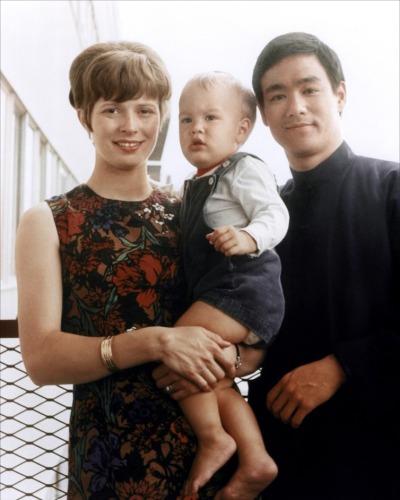
  • Martial arts master and actor Bruce Lee [171 cm] was shorter than his sweet heart Linda Lee Cadwell [175 cm] 


  • Indian Prime Minister Sonia Gandhi's & ex-Prime Minister Rajiv Gandhi’s daughter Priyanka Gandhi is taller than her husband Robert Vadra 


  • Former Palestine leader Yasser Arafat [5' 2"] was shorter than his wife Suha Arafat 


  • Sir Charles Spencer "Charlie" Chaplin was shorter than all his 4 wives.

  • The former President of France, Nicolas Sarkozy, is reportedly very self conscious about his short height, but his wife Carla Bruni has proven to him height doesn't matter 


  • One of the greatest football players of all time, Diego Maradona [5' 5"] was shorter than his wife Claudia VillafaÃąe 


  • One of the best film directors of all time, Steven Spielberg 5' 7½" is shorter than his wife  Kate Capshaw. 


  • Bollywood actress Shilpa Shetty is taller than her husband Raj Kundra 


  • American actor, director, producer, writer, singer, and comedian Jason Alexander 


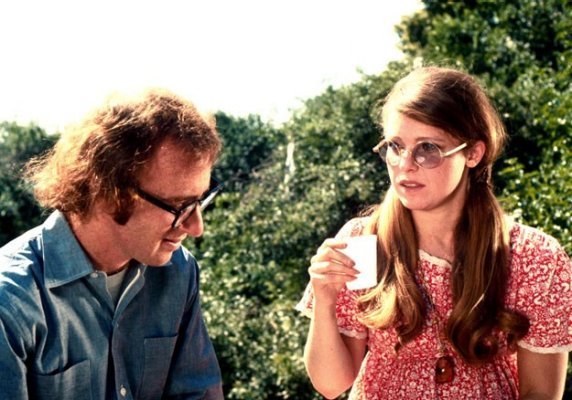
  • American screenwriter, director, actor, comedian, author, playwright, and musician Woody Allen [165 cm] was 5 cm shorter than his famous actress wife Louise Lasser.


  • Actress Rhea Perlman chose actor Danny DeVito as her prince charming. And successfully married since 1982 & have 3 children. 


  • American film actor, director, voice artist, and producer Sean Astin 5'6"  [Sam in the movie : Lord of the Rings] is shorter than his sweet heart Christine Harrell 


  • The musical duo Sonny and Cher captivated audiences with their voices and budding relationship. They also proved that height didn't matter when it came to love 


  • English musician, singer, songwriter and actor Mick Jagger [5' 10"] is shorter than his wife L'Wren Scott [6' 4"] 


  • Model Penny Lancaster is taller than her husband musician Rod Stewart 


  • Actress Tina Fey married 5' tall composer Jeff Richmond in 2001 


  • British food writer and former model Sophie Dahl married to musician Jamie Cullum who is much shorter than her 


  • American businesswoman, fashion model, socialite, celebutante, heiress and fashion designer Nicky Hilton married to Kevin Connolly who is shorter than her 


  • Tracy Pollan met the adorable, and shorter, Michael J. Fox while filming for the show "Family Ties." The two have been married since 1988 


  • Awards winning American film actor and producer Tom Cruise is shorter than his wives, actresses Nicole Kidman & Katie Holmes 


  • Nicole Kidman is taller than her husband Keith Urban 


  • British Indian novelist and essayist Salman Rushdie is shorter than his wife Padma Lakshmi 

This just few examples. There are so many couples like this.
They say
True Love Has No Boundaries !

When you really love someone, age, distance, height, weight. Is just a damn number


Saturday, February 4, 2012

Save the world from this dangerous chemical


Sign this petition to save the world


There is a dangerous chemical called 'dihydrogen monoxide'. Some of the bad things about this chemical;

1) it can cause excessive sweating and vomiting
2) it is a major component in acid rain
3) it can cause severe burns in its gaseous state
4) accidental inhalation can kill you
5) it contributes to erosion
6) it decreases effectiveness of automobile brakes
7) it has been found in tumors of terminal cancer patients

Would you sign this petition to ban this chemical ?

http://www.change.org/petitions/all-governments-in-the-world-ban-dihydrogen-monoxide

[If you have signed, don't forget to comment here]